Click here for the pdf file for Darcie Lanthier’s Water Act Presentation PEI
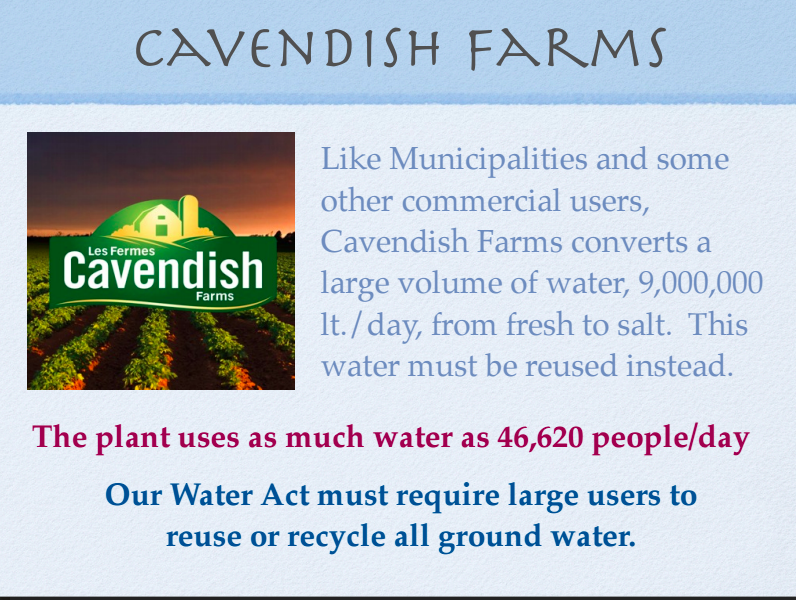
Click here for the pdf file for Darcie Lanthier’s Water Act Presentation PEI
This OpEd was published in the Charlottetown Guardian December 14.
The final presentations to the Environmental Advisory Council (EAC) regarding the Water Act have been made.
The EAC will continue to accept comments and concerns until January 15. (See the government Water Act page here.)
The process has been open, transparent and participatory. The sessions were well-attended, and many people took the opportunity to ask questions or make comments during the open mic part of the evening.
It was impressive how many wonderful, detailed and well-researched presentations several groups and individuals made. Many of the people who worked on those presentations are volunteers. It just shows how important and meaningful these public sessions were, and how serious the issues regarding our water are for Islanders.
Members of the EAC have a daunting task ahead of them. At the final session, following presentations by Crop Life and Fertilizer Canada, it was mentioned that the EAC and the report must “find a balance.” What are we trying to balance? Is it economic growth with the health of the environment? The health of P.E.I.’s aquatic ecosystems must be the goal of the Water Act and our first and non-negotiable priority. If our environment continues to be degraded, it stands to reason the economy will also suffer. Management of the economy must be looked at through the lens of environmental security.
The precautionary principle was brought up in many of the presentations. This must be an enforceable principle, embedded in the act. In 1992, the United Nations adopted the following definition: “Where there may be threats of serious or irreversible damage, lack of full scientific certainty should not be used as a reason for postponing measures to prevent environmental degradation.” In 2001, the Supreme Court of Canada expanded this definition to include “human health.”
The precautionary approach recognizes that because there are limits to being able to determine and predict environmental impacts with scientific certainty, we must anticipate and prevent environmental degradation without waiting for proof that the environment will be impaired.
Many presenters also spoke about intergenerational equity, or making sure that we are protecting the environment for several generations. In what state will we leave this Island for our grandchildren and their grandchildren to come? This guiding principle should also be included in the legislation.
The Coalition for the Protection of P.E.I. Water strongly believes that citizen involvement should continue well beyond these consultations. We advocate a more democratic and inclusive process where citizens would have a collaborative role with government in the developing the Act itself, regulations, and in water governance and decision-making.
We have recommended such a “Water Board” to the EAC in our last presentation that would include a diverse group of citizens who have a primary commitment to ensuring and protecting the health of ecosystems. This board could include scientists and academics, First Nations, watershed groups, environmentalists, farmers, fishers, municipalities, and others. We will be submitting a more detailed proposal to the EAC for such a Water Governance Board in the New Year.
It is critical that we don’t take our water for granted and that we work to protect it now, and into the future.
Catherine O’Brien is the Chair of the Coalition for the Protection of P.E.I. Water.
“We need to be guided by a bold vision for the future, and by a true commitment to sustainability. The key to this vision would be a transformation to sustainable agriculture as part of a sustainable economy. We need to ensure the production of healthy food while:
– restoring and preserving natural resources so that future generations can meet their needs
– improving the quality of the land (by increasing soil organic matter, and by reducing its pesticide and nitrate content)
– withdrawing no resources that cannot be replenished (e.g. fossil fuels)
– protecting the social and economic conditions of our farmers, and the health of our communities.”
Read the whole presentation here
Not a lot of information in this article but we can safely assume that the contamination came from pesticides running off from the recent heavy rains.
The Department of Fisheries and Oceans has closed two areas of P.E.I. shoreline to shellfishing as a precautionary measure after fears of contamination from heavy rainfall.
On P.E.I.’s north shore, the closure runs east from Gillis Point to a point just east of Cavendish, and takes in the important shellfishing areas of both Malpeque Bay and New London Bay.
On the south side of the Island, the closure affects an area from the church in Mont Carmel east to just east of the Desable River.
The closure restricts harvesting of oysters, mussels, clams and any other bivalve mollusc in a three-kilometre band from shore.
The DFO has brought in similar closures in the past after heavy rains.
By Andrew Nikiforuk, m.thetyee.ca
The Water Act Consultations are winding down – here is the schedule for the next few weeks. In each case start time is 7:00 p.m.
Tuesday, Nov. 24th
Kensington Legion
Kensington North Watersheds Association
Kensington Water Management
Southwest River Nitrate Group
Margaret MacKay (individual)
Thursday, Nov. 26th
Elmsdale, Westisle Composite
Coalition for the Protection of PEI Water (#2)
PEI Federation of Agriculture
PEI Federation of Municipalities
Cascumpec Bay Watershed Association
Wednesday, Dec. 2nd
Cornwall Civic Centre
Cornwall and Area Watershed Group
PEI Potato Board
PEI Shellfishers Association
Ellen’s Creek Protection and Planning Committee
Monday, Dec. 7th
Farm Centre, Charlottetown
CropLife Canada
Fertilizer Canada
Darcie Lanthier (individual)
Sandy MacKay (individual)
 Ellie Reddin and Ian Forgeron, speaking on behalf of SOSS PEI made an excellent presentation with 3 strong recommendations:
Recommendation 1: Protection from the potential pollution of PEI water resulting from oil and gas exploration and drilling in the Gulf, including the discharge of deleterious substances.
Recommendation 2: Protection of fundamental right to clean, safe drinking water, and the protection of the health of aquatic systems as the primary goal of the Water Act.
Recommendation 3: Continuation of moratorium on High Capacity Wells for agricultural irrigation, and non-essential uses; as well as, increased regulations for for industrial and commercial purposes of High Capacity Wells and to phase out existing wells gradually to the extent possible.
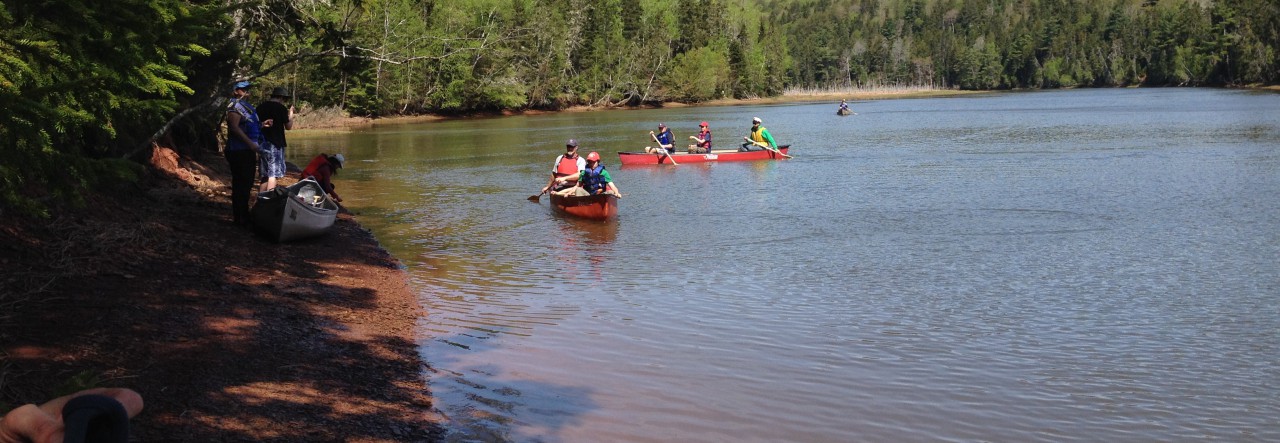
The Winter River/Tracadie Bay Watershed Association made a powerful presentation to the Environmental Advisory Council on November 4th.
One of their recommendations was to investigate methods to return some water to the Winter River to reduce the amount of “one way flow” of water to Charlottetown, at least during dry periods, to help recharge the aquifer. Read more here.
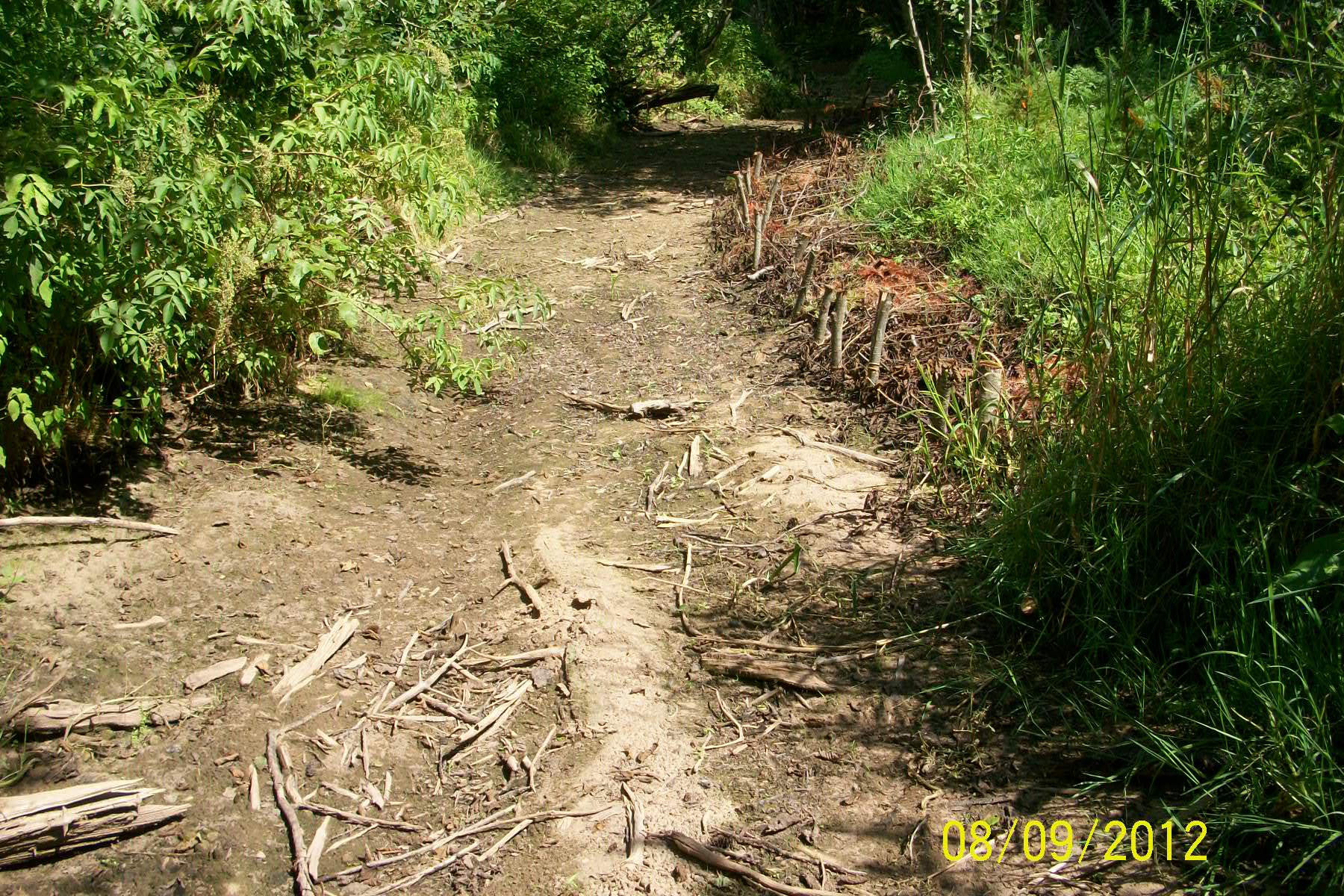
Don Mazer started his presentation to the EAC by pointing out that, “It’s appropriate that these consultations begin in Charlottetown, and to be talking about the Winter River, the source of virtually all of the water used by this City and its residents, businesses, institutions, worker and visitors. One could say that the reason for these consultations actually begins with Charlottetown and with the Winter River. The Standing Committee hearings about the impact of high capacity wells and the proposal to lift the moratorium led to the recommendations for a Water Act. And the Winter River watershed is the home of 14 of such high capacity wells located in Brackley, Union and Suffolk that operate all day every day of the year, pumping more than 18 million litres per day from the watershed to the City of Charlottetown. There is much to be learned from the experience of the Winter River with water extraction that is valuable for a new Water Act.”
You can read Don’s full presentation here.
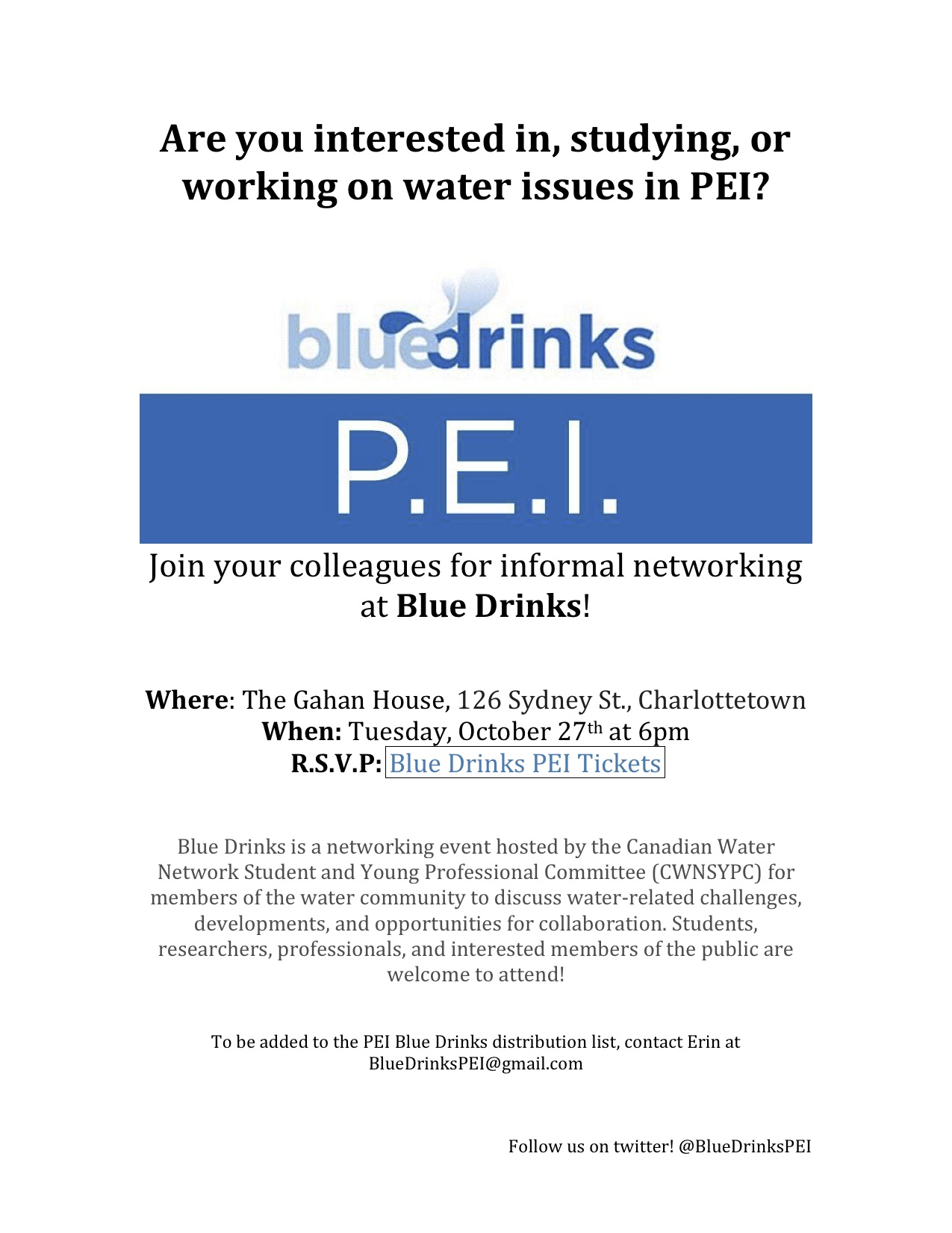
Are you interested in, studying, or working on water issues in PEI? Join your colleagues for informal networking at Blue Drinks! Where: The Gahan House, 126 Sydney St., Charlottetown
When: Tuesday, October 27th at 6pm
R.S.V.P: Blue Drinks PEI Tickets
Blue Drinks is a networking event hosted by the Canadian Water Network Student and Young Professional Committee (CWNSYPC) for members of the water community to discuss water-related challenges, developments, and opportunities for collaboration. Students, researchers, professionals, and interested members of the public are welcome to attend!
To be added to the PEI Blue Drinks distribution list, contact Erin at BlueDrinksPEI@gmail.com
 Coalition for the Protection of PEI Water